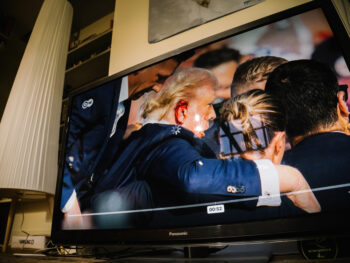
Imagine an America where the very agencies sworn to protect our leaders are themselves tangled in a web of incompetence and secrecy so thick that it takes a federal lawsuit to pry open the truth. Sounds like the plot of a political thriller, doesn’t it? Yet here we are, unraveling the mystery of an assassination attempt on President Donald Trump that occurred back in 2024. Thanks to Judicial Watch, who doggedly pursued the FBI like a hound after a fox, we’ve finally got some answers—albeit served with a side dish of redactions.
Now, picture this: A man wearing a T-shirt emblazoned with “Demolition Ranch” casually scouts out a sniper position in Butler, Pennsylvania, while law enforcement officials scratch their heads and exchange what must have been a flurry of “Did you see that guy?” glances. But despite these glaring red flags, the FBI only starts talking when Judicial Watch drags them into court. It’s almost as if they decided to practice their mime skills when it came to transparency. Bravo, FBI. Bravo.
Let’s delve into the meat of the matter. The documents reluctantly released by the FBI—37 pages of them, mind you—paint a picture of a scene straight out of an espionage novel. They reveal that, before the gunshots echoed in the air, there were already radio warnings about an “unknown male acting suspiciously.” One report even details how law enforcement was aware of an individual scouting sniper positions. This isn’t some backyard game of hide-and-seek, folks. This was a potential assassin preparing to strike. Yet, in a shocking display of bureaucratic inertia, these warnings weren’t enough to alter the course of events that nearly led to catastrophe.
Thomas Matthew Crooks, the would-be assassin, managed to evade the safeguards supposedly in place to protect the leader of the free world. And if that isn’t enough to make you question what exactly taxpayers are funding with their hard-earned dollars, I don’t know what is. As Judicial Watch President Tom Fitton aptly put it, it shouldn’t have taken a federal lawsuit to pry these basic materials from the FBI’s grip. Fitton’s statement isn’t just a critique; it’s a wake-up call. It’s a spotlight on the dark alleyways of bureaucratic incompetence.
The chilling details revealed don’t just raise eyebrows; they raise critical questions about the Secret Service’s ability to protect President Trump. How does one reconcile the fact that a “suspicious person” with a long gun on a roof was spotted mere moments before shots were fired? If your mind isn’t racing with questions, you might want to check your pulse.
And while we’re at it, let’s not forget the cozy relationship between the Democrats, the bureaucrats, and their media allies who, had they been in power, would likely be sweeping this under the nearest available rug. Instead of asking tough questions, they’d smile, nod, and change the subject to something less, well, damning. Perhaps they’d prefer to discuss the latest fashion trends in Washington or maybe the weather.
So here we are, two years after the fact, still piecing together the events of that day. What other secrets lie in the vaults of the FBI, waiting for someone—anyone—to demand their release? In a world where the truth is as heavily redacted as these documents, perhaps the real mystery is what else the bureaucrats are keeping hidden from the American public. As they say, the plot thickens.