
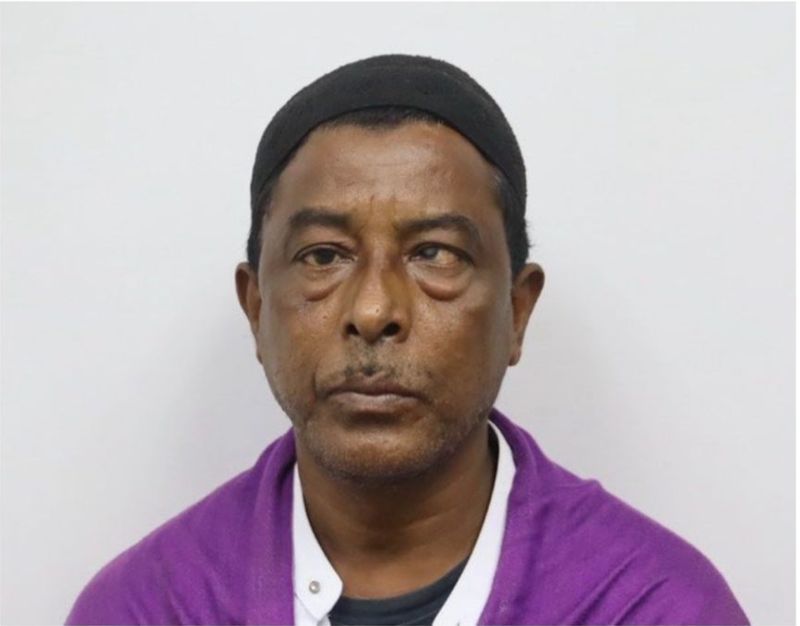
Nurul Amin Shah Alam. Photo via his missing persons poster.
The story was designed to make you furious.
A “nearly blind refugee.”
“Abandoned” by Border Patrol.
Dropped off alone at a coffee shop.
Found dead days later.
If you read the early headlines, you were supposed to see heartless federal agents dumping a vulnerable man on the side of the road to fend for himself.
And the outrage machine worked exactly as intended.
Media outlets blasted it. Activist accounts amplified it. Democratic operatives shared it. The narrative hardened instantly: ICE and Border Patrol are cruel, reckless, indifferent to human life.
There was just one problem.
The story wasn’t true.
CNN framed it this way:
“The death of a nearly blind refugee in Buffalo, New York, days after Border Patrol agents dropped him off at a coffee shop alone, has prompted an investigation into the circumstances of his final days and drawn sharp criticism from the mayor, who called the incident ‘deeply disturbing.’”
The man, Nurul Amin Shah Alam, 56, had been missing since February 19 after agents left him at the shop shortly after release from Erie County jail. His body was found five days later.
Social media erupted. Officials piled on. The implication was obvious: federal agents effectively caused his death.
Then came the predictable avalanche.
New York Times writer Nicholas Kristof sent several tweets blasting the unhinged storyline everywhere:
The Bulwark’s Sam Stein tweeted:
Before facts. Before verification. Before waiting for the medical examiner.
Just rage.
Then the Department of Homeland Security responded.
And the entire storyline unraveled.
According to DHS:
- On February 19, 2026, Buffalo Police Department alerted Border Patrol about a non-citizen in their custody.
- Agents confirmed Mr. Shah Alam entered the U.S. as a refugee on December 24, 2024, and “was not amenable to removal.”
- Border Patrol agents offered him a courtesy ride. He chose to accept transportation to a coffee shop — described as “a warm, safe location near his last known address” — instead of being released directly from the station.
- “He showed no signs of distress, mobility issues, or disabilities requiring special assistance.”
That last point matters.
The viral narrative described him as helpless and abandoned. DHS states he displayed no visible disability requiring assistance at the time of release.
And here’s the part that somehow didn’t go viral: the Erie County Medical Examiner determined his cause of death was health-related. CNN itself reported that “exposure and homicide have been ruled out.”
Not exposure.
Not homicide.
Not abandonment.
Health-related.
Yet the image of Border Patrol tossing a vulnerable man to die had already circled the internet.
There absolutely should be an investigation into any unexpected death. That’s not controversial.
What is controversial is how quickly media outlets and political operatives turned an incomplete story into a moral indictment of federal agents — without waiting for the autopsy, without verifying the timeline, and without basic restraint.
The story morphed online into agents dumping a blind refugee by the roadside, forcing him to walk miles home in freezing conditions.
But according to officials, “exposure and homicide have been ruled out.”
Facts matter.
And when a false narrative spreads faster than the truth, the damage is real — especially to the men and women already demonized for doing one of the toughest jobs in America.
This wasn’t a story about cruelty.
It was a story about how quickly outrage can outrun reality.